
Review by the Editorial Desk
Book Rating: ⭐⭐⭐⭐½ (4.5 / 5.0)
Genre: Mindfulness, Self-Help, Applied Psychology & Personal Growth
Author: Kaori Sato
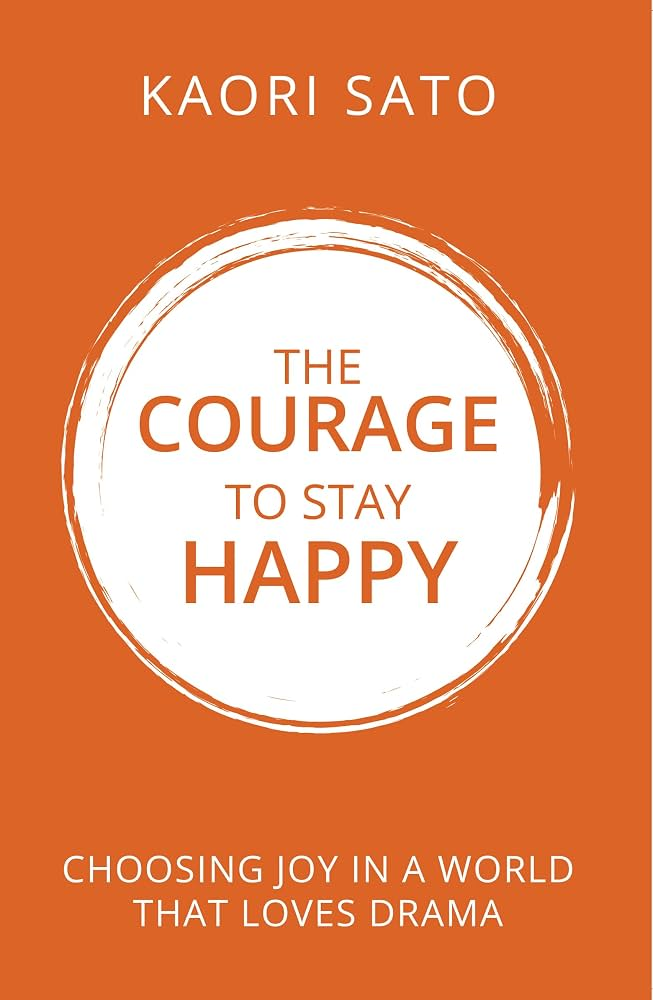
When you first glance at the title of Kaori Sato’s book—The Courage to Stay Happy—it instinctively catches you off guard. A natural question surfaces: Why does one need courage to be happy?
In popular culture, happiness is almost universally treated as a passive, automatic byproduct of favorable circumstances. We assume that joy will show up on its own when our careers soar, relationships stabilize, and bank accounts grow. But life rarely operates on a smooth trajectory.
Kaori Sato’s work offers a refreshing and grounding departure from conventional self-help literature. It presents happiness not as a fragile emotional reward that arrives after everything is settled, but as an intentional daily practice. It challenges the reader to realize that happiness requires deliberate courage precisely when deadlines pile up, projects go sideways, and daily chaos threatens to overwhelm your peace of mind.
The Philosophy: Joy as an Intentional Resistance
The central thesis of the book is simple yet transformative: happiness is not a passive reaction to ideal circumstances; it is an active, mindful choice made in the middle of imperfect reality.
Sato writes that it is effortless to appear calm and joyful when living inside a curated highlight reel. The real test of human resilience occurs when life becomes messy, schedules collapse, and unexpected crises strike. In these moments, succumbing to irritation, exhaustion, and cynical drama is the path of least resistance.
Choosing to preserve your inner peace in such an environment requires a soft rebellion. Sato encourages readers to cultivate the courage to step off the emotional treadmill, pause, and ground themselves in micro-moments of wonder—such as observing a butterfly drinking nectar from a vibrant flower, unhurried, perfectly alive, and completely detached from human drama.
Narrative Structure: The Dialogue Between Aya and Caro
To make complex psychological principles accessible and engaging, Sato structures the narrative as an ongoing dialogue between two characters: Aya and Caro.
- Aya represents the everyday modern person—juggling demanding professional responsibilities, anxious about social expectations, prone to burnout, and frequently dragged into reactive conflicts.
- Caro acts as the seasoned mentor, counselor, and grounded guide, systematically deconstructing Aya’s stress triggers page by page.
Rather than lecturing from a detached academic pedestal, Caro walks Aya through real-world scenarios, offering actionable techniques that turn theory into usable daily habits.
               THE AYA-CARO ARCHITECTURE FOR DAILY PEACE

    ┌───────────────────────┐          ┌───────────────────────┐
    │     CHAOS & NOISE     │          │    MINDFUL CALM       │
    │  Deadlines, Arguments │          │ The 5-Second Pause    │
    │  & Chronic Burnout    │          │ Emotional Non-Reaction│
    └───────────┬───────────┘          └───────────┬───────────┘
                │                                  │
                ▼                                  ▼
        [ AYA: The Overwhelmed Seeker ] ──▶ [ CARO: The Grounded Mentor ]
                ▲                                  ▲
                │                                  │
    ┌───────────┴───────────┐          ┌───────────┴───────────┐
    │  BOUNDARY VIOLATION   │          │   HEALTH ROUTINES     │
    │ Guilt-Driven Yeses    │          │ Morning Yoga &        │
    │ People-Pleasing Trap  │          │ Night Gratitude Notes │
    └───────────────────────┘          └───────────────────────┘
Detailed Breakdown: Core Lessons from the Pages
1. The 5-Second Pause Rule: Mastering Reaction vs. Response
One of the most valuable tools detailed in the book is the 5-Second Pause Rule.
In heated meetings, interpersonal friction, or sudden professional crises, human psychology defaults to an instant defensive reply. We raise our voices, fire off hasty emails, or dive straight into escalating arguments.
Sato demonstrates through Caro that the moment a situation demands an urgent reply, you must deliberately freeze for five seconds. This brief interval does two things:
- It interrupts the impulsive fight-or-flight amygdala hijack.
- It gives you clarity before speaking, allowing you to formulate a measured, constructive answer rather than fueling unnecessary conflict.
A five-second pause is often the difference between a damaged relationship and a resolved problem.
2. Setting Boundaries: The Art of Saying ‘No’ with Dignity
A primary driver of modern unhappiness is chronic exhaustion caused by people-pleasing. Many professionals say “yes” out of guilt, only to harbor quiet resentment as their personal energy drains away.
Sato outlines how to decline requests gracefully. Saying “no” when you are tired, depleted, or overcommitted is not selfishness; it is a prerequisite for maintaining respect. The book guides readers on how to communicate clear boundaries firmly and politely, so the other person respects your limits rather than viewing your refusal as rejection.
3. Protecting “Me-Time” as an Non-Negotiable Foundation
Sato stresses that personal time is not a luxury to be enjoyed only when all tasks are finished—it is foundational maintenance. If you do not schedule intentional quiet time, the world’s emergencies will consume your calendar.
The book outlines two practical anchor habits:
- Morning Physical Grounding (Yoga & Breathwork): Dedicating the start of each day to physical wellness centers the nervous system before external demands take over.
- Nightly Gratitude Logging: Concluding the day by writing down a concrete note of gratitude for what went well re-anchors the subconscious mind in accomplishment rather than anxiety.
Practical Takeaways: Your Daily Happiness Toolkit
To implement Sato’s principles immediately, incorporate these three core routines:
| Core Practice | Daily Application | Tangible Benefit |
| The 5-Second Rule | When provoked or cornered in an argument, count to 5 before speaking. | Eliminates reactive regret; builds professional poise. |
| Dignified Refusal | Politely decline non-essential demands when your energy is low. | Prevents burnout; establishes healthy mutual boundaries. |
| Morning Yoga & Gratitude | 15 minutes of morning stretching followed by an evening reflection entry. | Regulates the nervous system and ends cognitive rumination. |
Critical Assessment: Strengths and Nuances
What Works Wonderfully
- Accessible and Jargon-Free: The dialogue between Aya and Caro avoids dense academic theory in favor of direct, relatable human experiences.
- Grounded in Action: The book provides micro-actions (five-second counts, journaling, breathwork) that readers can implement within hours.
- Realistic Outlook: Sato does not preach toxic positivity. She acknowledges that life is hard, messy, and stressful, framing happiness as resilience rather than blissful ignorance.
Points to Keep in Mind
- Iterative Dialogue: Readers who prefer bulleted tactical summaries may occasionally find the conversational back-and-forth between Aya and Caro a bit leisurely. However, this narrative cadence is intentional—it forces the reader to slow down and reflect.
Recommendation: Who Should Read This Book?
The Courage to Stay Happy is an essential addition to your bookshelf if you belong to any of the following groups:
- Busy Professionals & Entrepreneurs: Individuals facing heavy workloads, endless notifications, and demanding deliverables who need tools to preserve composure under pressure.
- People-Pleasers & Chronic Over-Committers: Anyone who struggles to say “no” and ends up drained, frustrated, and overwhelmed by other people’s priorities.
- Seekers of Real-World Mindfulness: Readers looking for practical mental tools that fit into everyday commutes and workdays rather than isolated retreat routines.
- Students & Young Adults: Anyone experiencing the transition into high-stress academic or early-career environments who wants to build sustainable emotional habits.
Final Verdict
Kaori Sato reminds us that happiness is not a destination at the end of an exhausting race. It is an internal muscle that requires regular exercise, firm boundaries, and the courage to remain calm while the world rushes past.
A warm, life-changing guide that provides the mental clarity needed to reclaim your time, your health, and your inner joy.
Final Score: 4.5 / 5.0 — Highly Recommended
🛒 Where to Buy
Order your paperback or Kindle copy directly via the link below:
👉 Buy The Courage to Stay Happy by Kaori Sato on Amazon
(Ensure you add your personalized affiliate tracking ID to the link above)